19 Jul 2026
Blackjack's Hidden Layers: How Loyalty Programs Reshape Betting Patterns in Digital Casinos
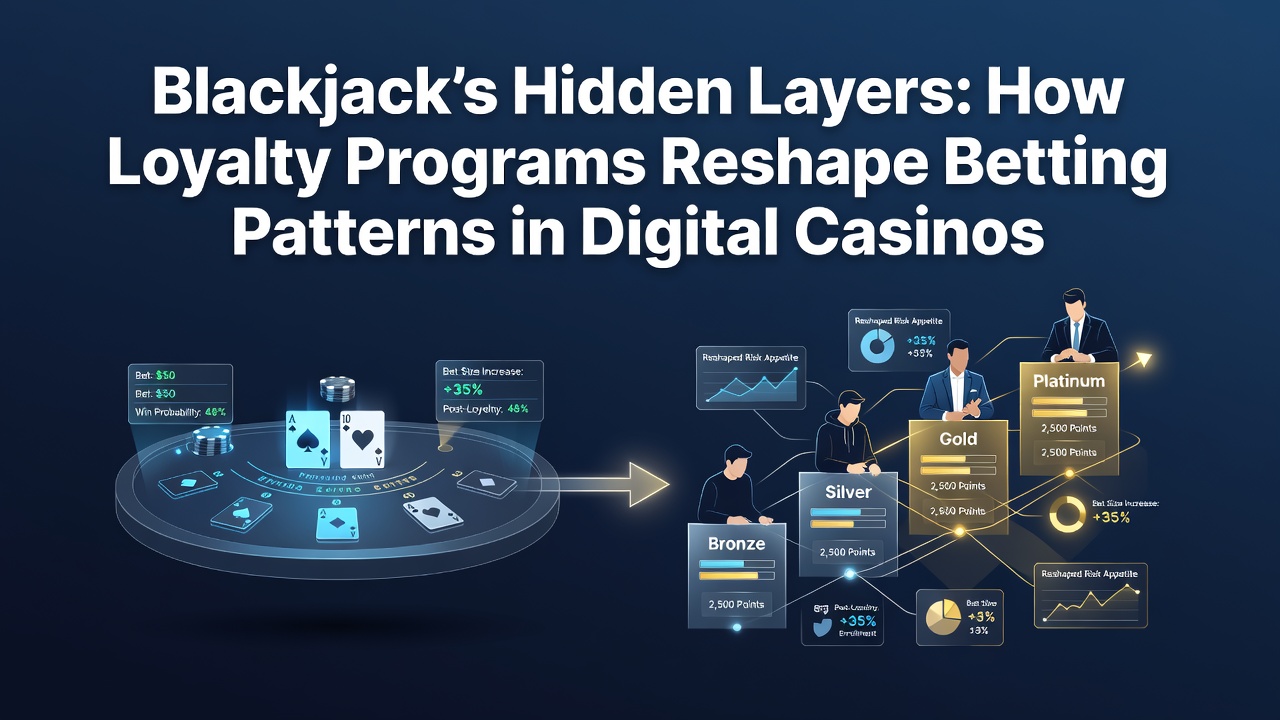
Digital casinos integrate loyalty programs that track every hand played in blackjack, and these systems create measurable shifts in how participants place their bets over time. Players accumulate points based on wager volume while advancing through tier levels that unlock cashback rates, free bet credits, and personalized multipliers. Research from teh National Center for Responsible Gaming indicates that tiered structures encourage longer sessions because higher ranks deliver proportionally larger returns on the same activity.
Mechanics Behind Point Accumulation and Tier Progression
Most platforms award one point for every dollar wagered on blackjack, yet some adjust this ratio during promotional windows such as the July 2026 summer leaderboard events. As totals climb, participants cross thresholds that grant immediate benefits like 5 percent cashback at bronze level rising to 15 percent at platinum. Observers note that these milestones prompt many to consolidate play on a single site rather than spreading activity across competitors, since switching resets progress entirely.
Bet sizing becomes a direct lever for faster advancement. A player who typically risks 50 units per hand may increase that amount to 75 units once they near the next tier boundary, because the marginal reward value outweighs the added variance in the short term. Data from the American Gaming Association shows this behavior concentrates in the final 20 percent of any given month when monthly leaderboards reset.
Observed Changes in Wager Distribution
Analyses of anonymized session logs reveal distinct patterns once loyalty incentives activate. Average bet sizes rise by roughly 18 percent during the first week after a player reaches a new tier, then gradually taper as the immediate reward novelty fades. Yet the overall volume of hands played stays elevated because the platform continues to offer accelerated point earning on specific table variants.
Those who study these systems find that minimum-bet tables see the smallest shifts, while mid-stakes games experience the largest increases. Participants appear to migrate toward tables where the point multiplier exceeds one-to-one, effectively treating the loyalty overlay as an additional payout layer that modifies basic strategy thresholds. For instance, doubling down on soft 18 becomes slightly more attractive when the expected point value adds 0.8 percent to the hand's theoretical return.
Regional Regulatory Perspectives on Reward-Driven Play
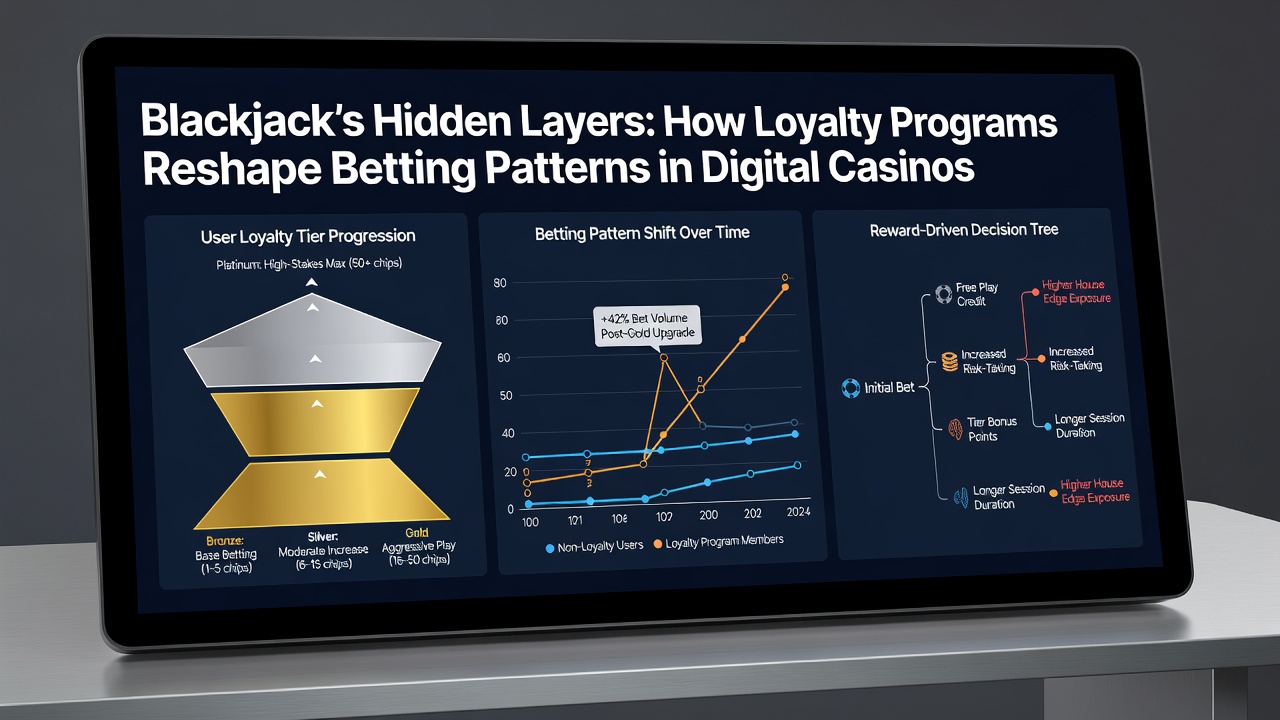
Regulators in Nevada track loyalty mechanics through mandatory reporting that separates promotional play from standard wagers. Their 2025 annual summary noted a 12 percent uptick in average blackjack handle per active account on platforms with aggressive tier systems. Meanwhile, the Australian Gambling Research Centre published findings that players exposed to cashback structures maintain steadier bankrolls across longer time horizons because periodic rebates offset short-term downswings.
Canadian provincial operators follow similar disclosure rules, and comparative data released in early 2026 shows that loyalty members who reach gold status or higher reduce their session-to-session bet variance by nearly 25 percent. The stability stems from the knowledge that sustained activity guarantees future credits regardless of individual hand outcomes.
Strategic Adjustments and Software Tools
Third-party tracking applications now integrate loyalty point calculators that display real-time reward value per hand. Users input their current tier and upcoming milestone targets, then the software suggests bet adjustments that maximize points while staying within a chosen risk tolerance. Several operators have responded by embedding similar calculators directly into their mobile apps, reducing the need for external tools.
These utilities highlight situations where accepting a slightly negative expected value on a hand still produces positive overall return once loyalty credits are factored in. For example, taking insurance on a dealer ace may carry a house edge, yet the point acceleration it provides can offset that cost within a single tier climb.
Conclusion
Loyalty programs embed an additional economic layer onto blackjack that directly influences bet sizing, session length, and table selection across digital platforms. Data from multiple jurisdictions confirms these effects appear consistently once players engage with tier structures, and the patterns continue to evolve alongside new promotional formats introduced each year. As reporting requirements expand, clearer pictures of these interactions will emerge for both operators and those who analyze player behavior at scale.