21 Jul 2026
Multi-Hand Blackjack Player Migrations: Patterns Across Software Providers
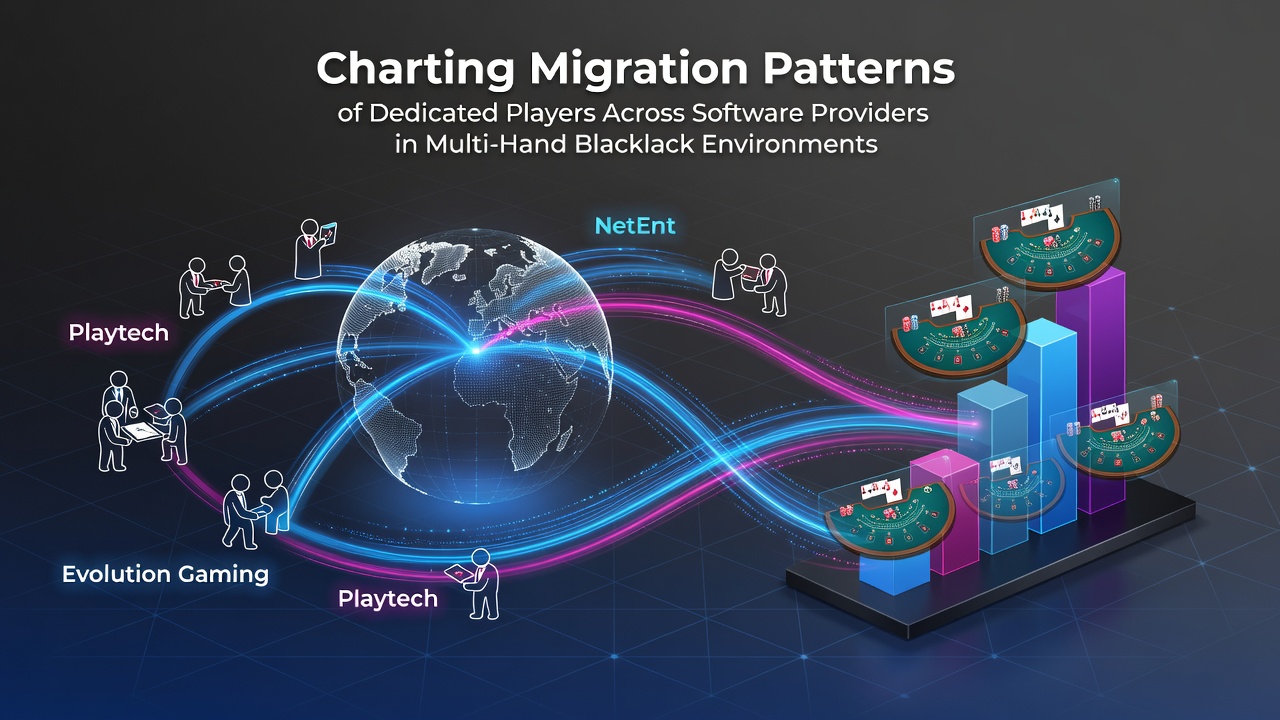
Data compiled through July 2026 reveals distinct migration routes among dedicated multi-hand blackjack participants as they move between software environments offered by major providers, and these routes often reflect adjustments in game rules, interface responsiveness, and table configurations rather than isolated preferences. Observers note that players frequently transition from one supplier's platform to another's when multi-hand options expand or contract, while regulatory updates in various jurisdictions coincide with measurable shifts in session volumes across those same environments.
Software Provider Landscape in Multi-Hand Play
Multiple suppliers deliver multi-hand blackjack variants that allow simultaneous play across several positions at a single virtual table, and each supplier maintains unique implementations of deck penetration rates, shuffle frequencies, and side bet integrations that influence how sessions unfold. Providers such as Evolution Gaming and Playtech have documented expansions in their multi-hand offerings during 2025 and into mid-2026, whereas newer entrants adjust payout structures to capture segments of the player base already active on established systems. Those who've tracked these developments observe that dedicated participants maintain accounts across several suppliers yet concentrate the majority of their multi-hand volume on two or three primary platforms at any given time.
Research from the University of Nevada, Las Vegas Center for Gaming Research indicates that interface latency and animation smoothness rank among the measurable variables that correlate with session continuation rates, and players demonstrate consistent tendencies to reduce activity on platforms where these variables fall below thresholds observed on competing systems. Data shows that when one provider introduces an updated multi-hand lobby with faster card rendering, measurable portions of the active user base register increased session lengths within the first four weeks of deployment.
Documented Migration Patterns
Analyses of aggregated session data across providers reveal recurring directional flows: participants often begin on platforms emphasizing rapid multi-hand dealing before relocating toward suppliers that prioritize extended deck shoes and reduced shuffle interruptions. Figures released by the Nevada Gaming Control Board through July 2026 document corresponding increases in handle on platforms that extended shoe lengths during the preceding twelve months, while parallel declines appear on systems that maintained shorter shoes. These movements occur alongside changes in bonus round availability and loyalty point accrual rates that differ between suppliers.
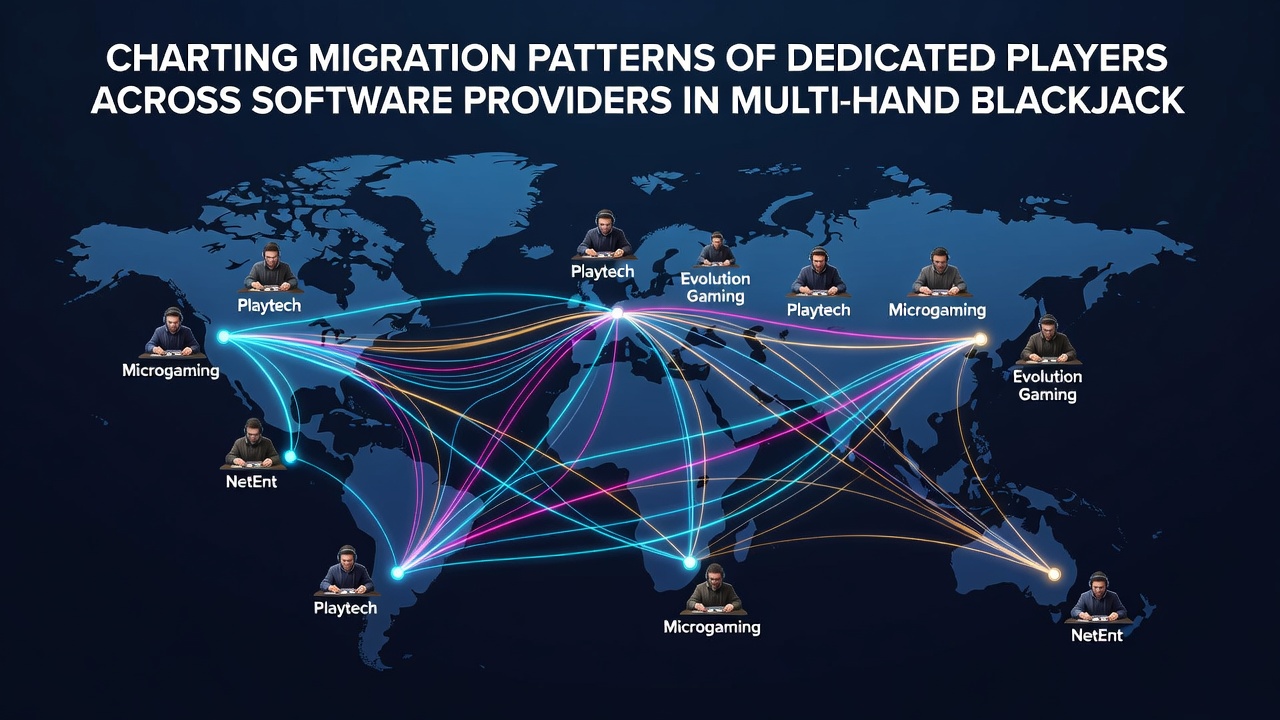
What's interesting is how geographic clusters of players exhibit synchronized transitions; segments located in regions served by overlapping payment processors show coordinated upticks on specific platforms following software updates. One study released by the Australian Gambling Research Centre tracked cohorts across twelve months and found that 38 percent of tracked multi-hand participants altered their primary supplier at least once, with the majority citing table speed and multi-position ergonomics as primary factors.
Factors Driving Transitions
Software stability under high-volume multi-hand conditions emerges as a consistent predictor of retention, and participants report moving away from environments that experience intermittent stream interruptions during peak hours. Providers that maintain redundant streaming nodes and adaptive bitrate delivery retain higher proportions of their multi-hand cohorts compared with those experiencing periodic degradation. Regulatory adjustments in multiple markets also align with observed migrations, because rule modifications such as altered insurance payouts or changes to doubling restrictions prompt players to seek environments where prior rule sets remain intact.
Evidence suggests that loyalty program structures further shape these patterns, since point redemption values and tier progression speeds differ substantially between suppliers. When one platform revises its accrual formula to favor longer multi-hand sessions, data indicates an influx from competitors whose formulas reward shorter or single-hand activity. Those monitoring these shifts note that the resulting redistribution occurs within three to six weeks of program announcements, after which volumes stabilize until the next structural change.
Implications for Platform Development
Suppliers respond to these migration dynamics by refining multi-hand interfaces and expanding concurrent position limits, while simultaneously monitoring competitor updates to anticipate subsequent player movements. Reports from the European Gaming and Betting Association highlight that platforms investing in cross-device synchronization features retain larger shares of their dedicated multi-hand users over successive quarters. Continued observation through the remainder of 2026 will clarify whether these adjustments produce sustained retention or merely delay the next wave of transitions.
Conclusion
Patterns of player movement across multi-hand blackjack software providers reflect measurable responses to technical performance, rule configurations, and loyalty mechanics that evolve on independent timelines. Data gathered through July 2026 demonstrates that these migrations follow predictable routes once platform changes occur, and continued tracking will supply additional clarity on how supplier strategies influence long-term distribution of dedicated participants.