9 Jun 2026
Timing Tactics for Blackjack Amidst Network Latency in Multiplayer Digital Formats
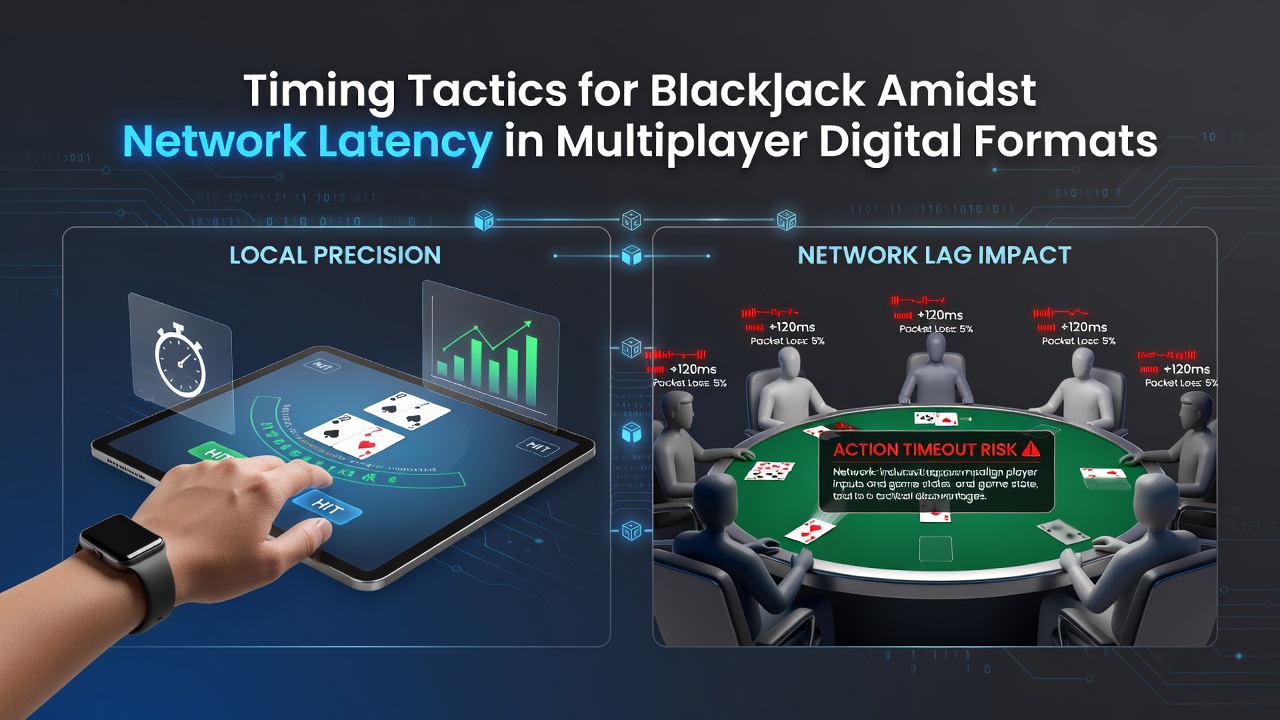 Network latency creates measurable challenges in multiplayer digital blackjack environments where players share virtual tables across distributed servers. Data from industry reports indicates that average round-trip times between client devices and central game servers range from 40 to 150 milliseconds depending on geographic distance and connection quality. These delays directly influence the window available for hit, stand, double, or split decisions before automated timeouts trigger. Observers note that platforms compensate through buffer timers yet the underlying packet transmission variability remains a persistent factor in session outcomes.
Latency Sources in Shared Digital Tables
Multiple technical elements contribute to timing inconsistencies during live sessions. Server synchronization across regional data centers introduces variable delays when multiple participants from different continents join the same table. Packet loss during peak traffic periods further compounds these issues by requiring retransmissions that extend decision cycles beyond standard limits. Research from academic gaming technology groups shows that jitter spikes occur most frequently during high-volume evening hours when player counts peak across time zones.
Multiplayer formats amplify these effects because each participant’s action must register sequentially before the next hand proceeds. A single delayed response from one seat can cascade through the table rotation and reset timing expectations for everyone else at that virtual table. Figures from European gaming technology assessments reveal that such chain reactions account for approximately 12 percent of aborted rounds in high-traffic rooms during 2025 testing periods.
Strategic Timing Adjustments
Players adapt by monitoring connection metrics displayed in platform interfaces before committing to larger wagers. Preemptive bet placement during stable latency windows allows completion of subsequent decisions even if brief spikes occur mid-hand. Those who track historical server performance data often schedule sessions during documented low-traffic intervals when average ping rates remain below 60 milliseconds.
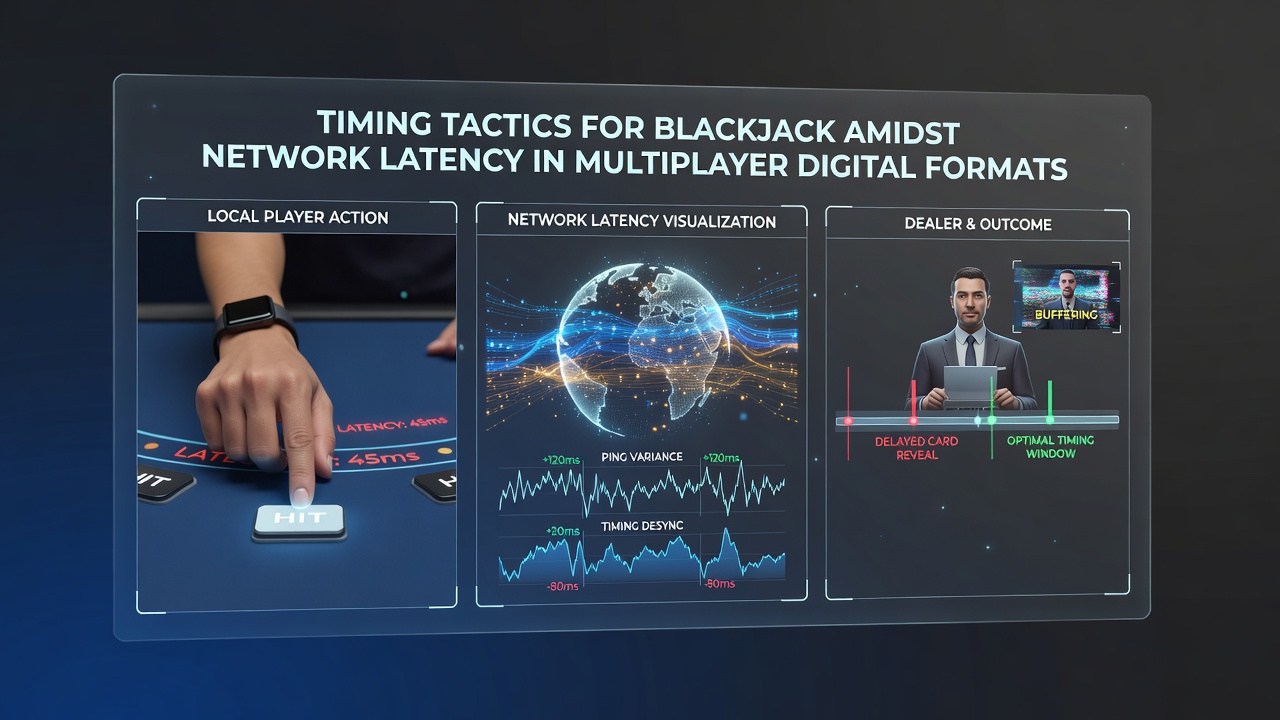
Decision pacing techniques include staging preliminary action selections in memory while awaiting server confirmation. This approach reduces the impact of sudden latency jumps that might otherwise consume the full allotted response period. Software overlays provided by several platforms display real-time latency graphs that enable users to anticipate when a hand might encounter extended processing times.
Platform Tools and Emerging Standards
Developers integrate predictive algorithms that extend decision timers automatically when detected latency exceeds predefined thresholds. These systems adjust dynamically rather than applying fixed extensions across all participants. In June 2026 several major platforms plan to implement standardized latency compensation protocols developed through cross-industry working groups that include representatives from North American and Asian regulatory bodies.
Third-party monitoring applications allow users to log session statistics and identify patterns in connection stability across different table configurations. Data compiled by independent testing laboratories indicates that players who review these logs before entering high-stakes multiplayer rooms experience fewer timing-related forfeits over extended play periods.
Regulatory Context and Technical Responses
Gaming authorities in multiple jurisdictions require operators to maintain transparent documentation of timeout policies and latency mitigation measures. The Nevada Gaming Control Board maintains public records detailing minimum performance benchmarks that licensed platforms must meet for multiplayer offerings. Similar reporting frameworks exist through the Australian Communications and Media Authority which tracks digital game integrity metrics on a quarterly basis.
Technical responses continue to evolve with improved edge computing deployments that position game logic closer to end-user regions. These infrastructure upgrades reduce baseline latency but do not eliminate variability caused by individual network routes or device processing speeds. Industry associations publish annual summaries that compare performance across different geographic server clusters and connection types.
Conclusion
Network latency remains an inherent variable in multiplayer digital blackjack that requires ongoing technical and strategic responses from both operators and participants. Continued development of adaptive timing systems alongside improved infrastructure supports more consistent decision windows across distributed tables. Documentation from regulatory and research sources provides measurable benchmarks that inform platform standards and player preparation methods alike.